How to Leave a Session Early Without It Being a Defeat
How long should a first gym session be? Twenty to thirty minutes — and nine still counts. How to leave a machine, a class or a pool early, and why that is fine.
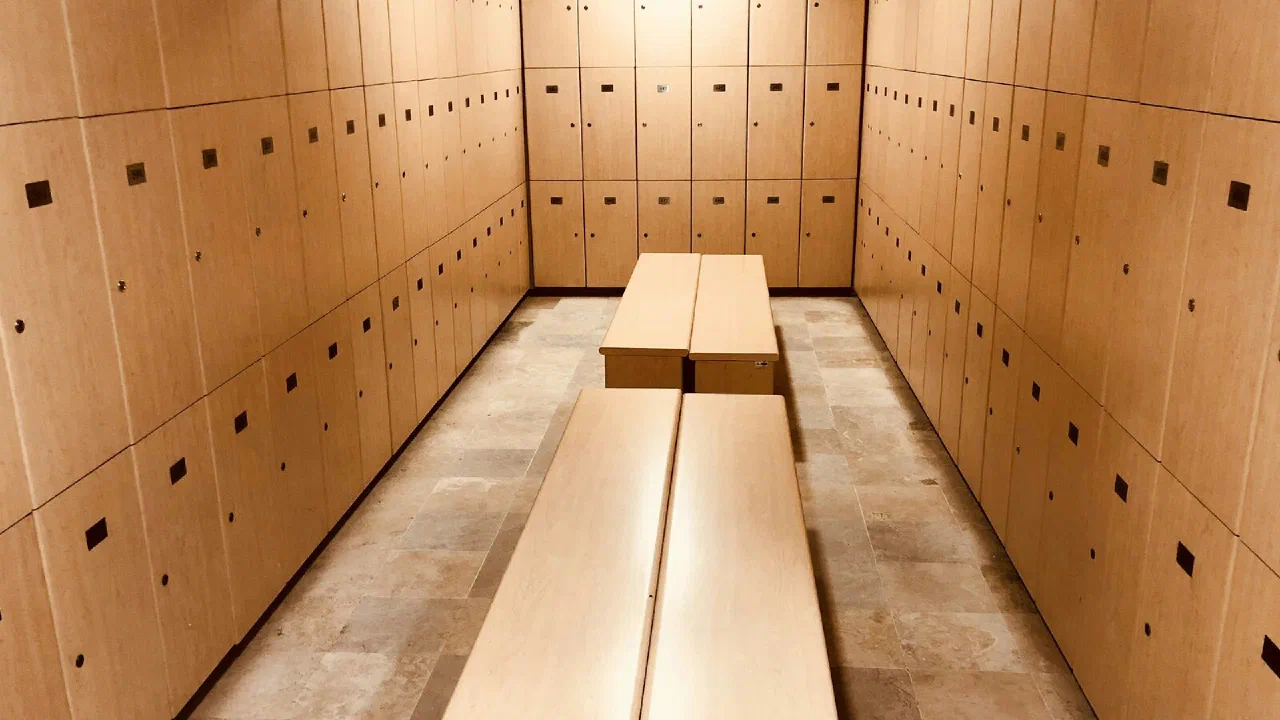
How long should a first gym session be? Twenty to thirty minutes of actual movement. Not an hour, not “until I’ve done a proper workout,” and not however long the person next to you stays. And the more useful version of the answer: whatever you do before you leave is the session, including nine minutes.
This matters more than it sounds, because the single commonest way a start dies is not a bad session. It is a session the person decided they were not allowed to end. You get there, something is off — it is packed, you feel strange, the machine you planned on is taken — and the rule you are carrying says a session has to be a certain size to count. So you either grind out forty resentful minutes or you leave and file it as a failure. Both outcomes make the next one less likely, and the second one is usually fatal.
The fix is to decide now, before you need it, that leaving is a permitted move with a procedure, rather than an admission.
How long should a first gym session be? Twenty to thirty minutes
Twenty to thirty minutes of movement, and the reason has nothing to do with stamina. In the first few weeks, a session is not doing what you think it is doing. It is not building anything measurable — that takes considerably longer and is not the point yet. What it is doing is making the place ordinary.
That is a specific job, and it is done by repetition rather than duration. Four visits of twenty minutes make a gym familiar. One visit of eighty minutes does not, and leaves you sore enough to skip the next three. The arithmetic is not close.
Which means a short session that happens beats a long session you negotiate yourself out of, and it is not a consolation prize for saying so — twenty minutes is a real dose and the brevity is doing part of the work.
| What you did | What it was worth in week one |
|---|---|
| 25 minutes, left feeling fine | The target |
| 9 minutes, left early | A visit. The room is now slightly familiar |
| 70 minutes, hard | One visit, three days of soreness, a skipped second session |
| Drove there, did not go in | Not nothing, but do not build on it |
The honest reasons to leave early, and the one that is not
Most of the reasons are good. One is not, and it is worth separating them so that the permission does not quietly become an exit from everything.
Leave. It is far busier than you can cope with today. Something hurts in a sharp, specific way. You feel unwell, lightheaded or strange. The thing you came to do is unavailable and the alternative is standing around deciding. You have done what you came for and you are finished. You are five minutes in and genuinely miserable rather than merely uncomfortable.
Stay a few more minutes, then decide. You are bored. You are self-conscious but nothing is wrong. You are breathing hard and it feels like more than you expected, which in the first fortnight it always does.
The distinction is not willpower — it is whether the problem is in the room or in the first five minutes of effort, because the second one reliably passes and the first one does not. If you cannot tell which it is, walk slowly for three minutes and ask again. Three minutes is a cheap diagnostic and it answers the question most of the time.
If something hurt, that is not a session to push through. Sharp, localised or unfamiliar pain is where this article stops and a GP or a physiotherapist starts. I cannot tell you what it was, a gym’s floor staff cannot either, and the cost of being wrong about it is weeks.
How to leave, by situation
From a machine or the gym floor
You stop, you wipe the machine, you walk out. There is nothing else. Nobody logs your exit, nobody asks, and the desk staff who saw you arrive twelve minutes ago have processed nine people since.
If you are on a staffed floor and someone has shown you something, “that’s me done, thanks” on the way past is a complete and sufficient sentence. You are not expected to account for the duration.
From a class
This is the one that feels impossible, and it has a small procedure that makes it unremarkable.
- Put yourself near the door before it starts. The second row at the end nearest the exit. This is the whole reason where you stand in a class matters.
- Leave at a block change, not mid-move. Every class has seams — the end of a track, the gap where the instructor explains the next thing. Thirty seconds of waiting turns a dramatic exit into an invisible one.
- Tidy your kit as you go. Weights back on the rack, mat rolled. It takes eight seconds and it reads as finishing rather than fleeing.
- Walk, do not hurry, and do not catch the instructor’s eye on the way. Looking for permission is what makes it look like something.
- Say nothing afterwards. If you see the instructor later, “had to cut it short” covers it entirely.
One thing worth knowing: instructors read an early exit as somebody who felt unwell or had to get back to work, because those are overwhelmingly the actual reasons people leave classes. The interpretation you are dreading is not the one being made.
From a pool
Easier than either, because a swim has no structure to interrupt. You get out at the end of a length, at the ladder, and you walk to the changing room. Nobody in a pool is tracking anybody else’s lengths — see the lane rules for the only etiquette that actually applies.
What to do with the rest of the evening
Nothing, deliberately. Do not compensate.
The temptation after a nine-minute session is to even it out — a long walk, a home workout, something to make the day add up. Skip it. You went out, which was the objective, and manufacturing a replacement workout turns a neutral event into one where you owed something.
Do one thing instead: note the reason you left, in a sentence. “Too busy at 6pm.” “Lockers took ten minutes.” “Felt rough.” That sentence is the most useful thing the session produced, because it is almost always a fixable logistic rather than a verdict about you — and the fix changes the next session, which is where the whole thing is actually decided. The second one is the hard one, not the short one.
The rule worth adopting
Go with a floor, not a target. The floor is: get there, and do one thing. Anything past that is upside.
A session with a floor cannot fail, which sounds like a trick and is in fact the point — a target you miss produces a reason to stop going, and a floor you clear produces a second visit. Over a month the person with the floor has been eight times for twenty minutes and the person with the target has been twice and quit.
Twenty-five minutes is what a first session should be. Nine is still a session. Zero is the only number that is not, and leaving early is how you avoid it.