The Gear You Do Not Need, and the Two Things You Do
What do I need to start going to the gym? Two things, and you probably own both. The kit list that is required, and what the rest is for.
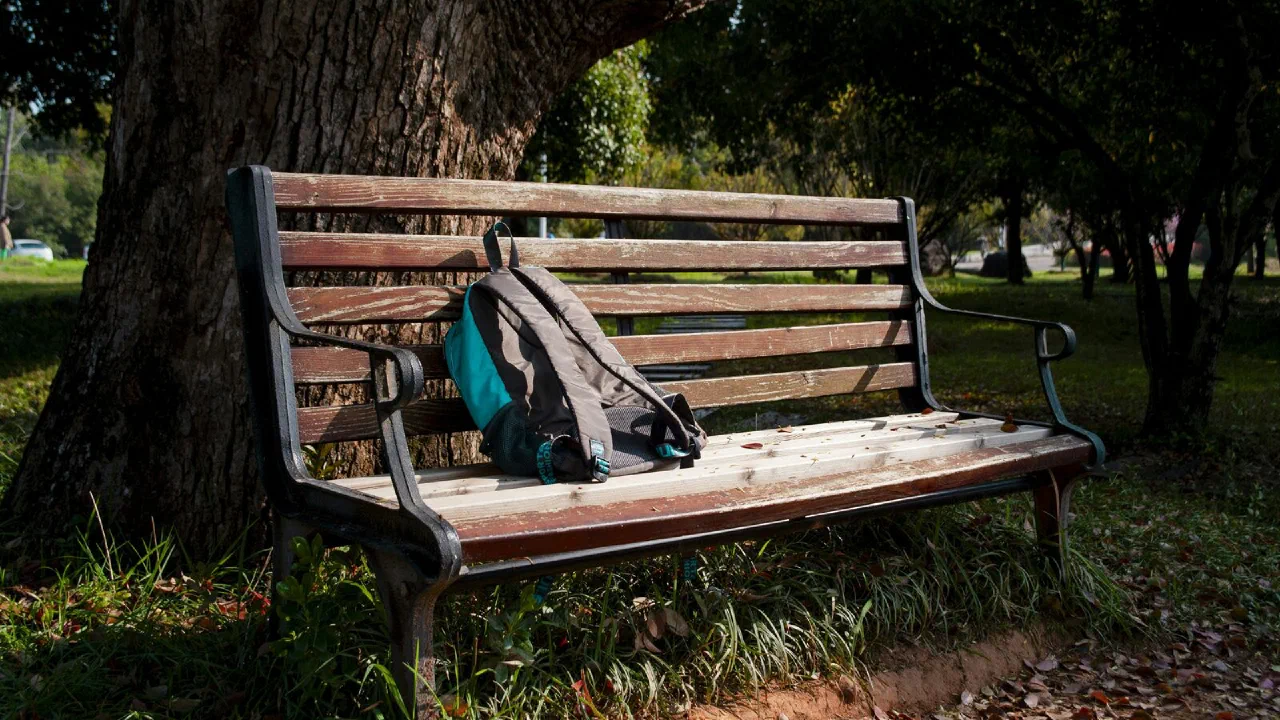
Shopping is the most comfortable part of starting, which is exactly why it expands to fill the space where going should be. A basket takes twenty minutes, produces a feeling of progress, and can be done on the sofa. It is the sofa’s best move and it is worth naming as one.
So: what do I need to start going to the gym? Two things. You almost certainly own both, and if you do not, they cost very little. Everything else on the list you were building is either something you will want in six months or something that was never required at all.
What do I need to start going to the gym? Two things
Shoes you can move in. Not running shoes, not training shoes, not anything with a category name. Shoes with a closed toe and a sole you can walk, step and stand in. Whatever you would wear for a long walk is fine for a first session.
Clothes you do not mind sweating in. A t-shirt and shorts or leggings. Anything that is not restrictive and that you would not mind being seen in by strangers who are not looking at you.
That is the list. Everything below is a description of what the rest of the shop is for.
The gear you do not need, and what you already own instead
| The thing | What it is sold as | What you use instead, for now |
|---|---|---|
| Specialist trainers | Necessary for safety | The walking shoes in your hallway |
| Technical fabric kit | Performance | A cotton t-shirt. It gets damp; this is survivable |
| A gym bag | Organisation | Any bag. A tote works |
| A water bottle | Hydration | A refilled bottle you already have |
| Lifting gloves and belts | Protection | Nothing. These are for loads you are not lifting yet |
| A fitness tracker | Accountability | The calendar entry that says when you are going |
| Supplements and shakes | Results | Out of scope here, and not a starting requirement |
| An app subscription | Structure | The session the gym’s own induction gives you, free |
| Headphones, if you do not have any | Getting through it | Genuinely useful, and genuinely optional. Cheap ones work |
| A lock | Access to the lockers | Ask at the desk — many places lend or sell one for very little |
The pattern is worth reading directly. None of these is a scam, and most of them are perfectly good things. The issue is sequence. Every one of them solves a problem you get after you have been going for a while, and buying them first substitutes a solved problem for the unsolved one, which is leaving the building on a Tuesday.
There is also a quiet cost to buying up front that nobody mentions: kit you have paid for becomes a reason to feel worse when you do not go. Two hundred spent on clothes for a habit that did not happen is a small monument to a failed start, and it is sitting in your wardrobe. Shoes you already owned carry no such freight.
The three things worth money later, not now
Not never — later, and in this order, once attendance is real.
Proper footwear, if you are doing a lot of one specific thing. If you end up running regularly, or doing a class with a lot of lateral movement, footwear stops being interchangeable. That is a real purchase with a real reason, and it happens at the point where you can say what you are doing with it. If anything about your feet or joints is actually hurting rather than just aching, that is a question for a physiotherapist or a doctor, not for a shoe shop.
Kit that dries. Cotton stays wet, and a second session in the week is harder when the first session’s clothes are still damp on a radiator. This is a logistics purchase rather than a performance one, which is the kind this site likes. Two of anything beats one of something expensive.
A bag that lives packed. The single most useful object in this whole list, and it is worth almost nothing. Its value is not carrying capacity; it is that it removes a decision on the evening you are most likely to skip. That is properly covered in the friction posts, but you can implement it tonight with a bag you own.
What to actually put in the bag
For a first session, in a gym you have not been to:
- Shoes
- A t-shirt and shorts or leggings
- A towel, if the place does not provide one — check, because some do
- A water bottle
- A lock, if you have one, or the intention to ask at the desk
- Whatever you need to get in — a card, an app, a name at the desk
- Headphones, optional
If you are swimming, that list is different in ways that matter and are worth knowing in advance.
Pack it the night before. Not for discipline reasons — because a bag packed at 18:40 is a bag that does not get packed.
The one purchase that is not gear
If you are going to spend money at the start, the thing most worth spending it on is not an object. It is a small number of sessions at the place itself, before you commit to a year of it.
A handful of drop-ins tells you what the room is like at your hour, whether the equipment you want is free at that time, and whether you actually go when it costs something. That is information about you and about the place, and none of it is available from a shop. The arithmetic for that decision is the break-even session count, and the full price of the alternative is what starting actually costs.
And if you have not yet chosen a place at all, the equipment question is premature by a whole step — a method for finding the thing near you comes first.
The honest version of this post
You own shoes. You own a t-shirt. The gym has water and probably towels, and the desk will sort you out with a locker.
Nothing in a shop will make the first session easier, and the first session is the only thing between you and having gone once. If you find yourself with eleven tabs open comparing trainers, close them and check which evening this week you are free. That is the actual blocker and it has never been a kit problem.
Buy nothing this week. Go once. Then buy the two things that turned out to be annoying, which will not be the two things you were about to buy tonight.
Nothing here is a product recommendation and no links on this site are paid. Where footwear or equipment intersects with pain or an existing condition, that is a question for a physiotherapist or a doctor rather than an article.